

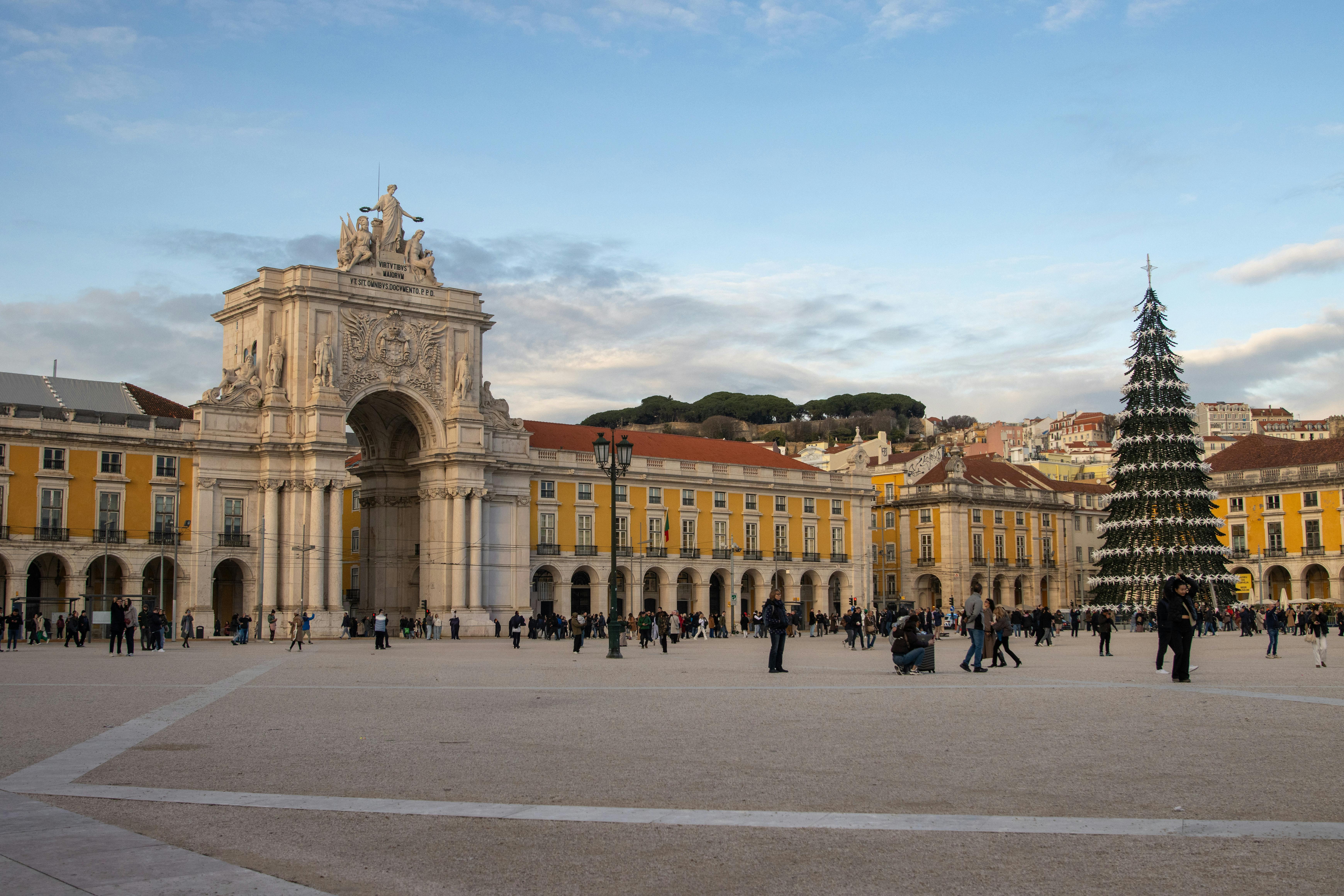
The Portuguese food and beverage industry closed 2025 as one of the nation’s most dynamic economic sectors, combining record tourism revenue, international culinary recognition, and resilient export performance amid challenging agricultural conditions. This year demonstrated that Portugal has successfully positioned itself as a premier European gastronomy destination while maintaining strong commercial foundations across wholesale, processing, and hospitality operations. The convergence of international acclaim, robust consumer spending, and strategic market adaptation created a complex but ultimately prosperous landscape for operators ranging from Michelin-starred establishments to traditional neighborhood bistros and wine producers.
The Michelin Moment: Portugal’s Culinary Ascent Continues
Portugal’s gastronomic recognition reached a landmark moment in February 2025 when the Michelin Guide revealed its most comprehensive Portuguese assessment to date. The country now boasts 46 Michelin-starred restaurants, comprising 38 establishments with one star and 8 with two stars, alongside 6 green star designations celebrating sustainability commitments. The selection process awarded eight new one-star restaurants, reflecting generational renewal in Portugal’s professional culinary scene and expanding recognition beyond Lisbon’s traditional fine-dining corridor.
The 2025 Michelin assessment emphasized critical strategic themes shaping Portugal’s food sector. Inspectors identified a robust movement toward reinterpreting classical Portuguese dishes using modern techniques while preserving authentic culinary heritage. Northern establishments maintained greater attachment to traditional recipes, while southern venues harmonized regional flavors with international trends. Most significantly, sustainability emerged as an operational standard rather than marketing distinction, with restaurants « proudly serving up the best ingredients from Portugal’s various regions and focusing on zero-kilometer products. »
The Green Star category expanded to six establishments, with Encanto in Lisbon—located adjacent to José Avillez’s acclaimed two-star Belcanto—representing the new generation of sustainability-focused fine dining. The Bib Gourmand category, recognizing best quality-for-price balance, welcomed five new additions including Lisbon’s Canalha and Pigmeu, Porto’s OMA, and establishments in Bragança and Alvados. This expansion across price tiers signals that culinary excellence no longer concentrates solely in luxury establishments but increasingly defines the broader hospitality experience.
Beyond formal Michelin recognition, Lisbon established itself as one of Europe’s most exciting emerging culinary capitals. The city’s new restaurant scene showcased remarkable innovation, with ventures like Fismuler Lisbon—conceived by three former El Bulli chefs—operating as a large-scale, industrial-chic space featuring daily-changing menus of seasonal fare with Nordic influences. Equally notable, acclaimed experimental chef Leo Carreira unveiled Barbela, a 40-seat seafood-driven establishment blending Portuguese and Japanese influences, while the iconic Bica do Sapato reopened after six years, transforming a riverfront warehouse into a dual-concept venue under chef Milton Anes serving both sophisticated modern Portuguese cuisine and contemporary takes on traditional tasca fare. This renaissance demonstrates that Portugal now attracts international culinary talent while simultaneously empowering emerging Portuguese chefs to implement boundary-pushing concepts.
Tourism’s Spectacular Performance: €23.5 Billion and Growing
Tourism revenues demonstrated remarkable momentum throughout 2025, accumulating to €23.5 billion by November, delivering growth that fundamentally supported hospitality operations and food and beverage establishments across every region. September alone generated €3,212.76 million in tourism revenue, representing a 4.2% increase year-over-year despite pronounced seasonality that characterized Portugal’s traditional travel patterns. The Bank of Portugal identified tourism and travel exports as primary drivers of service sector surplus growth, contributing €187 million to services balance expansion during single months.
This tourism influx directly translated into revenue for restaurants, bars, and cafés, particularly in traditional destination centers like Lisbon, Porto, and the Algarve. The hospitality sector itself, encompassing hotels, resorts, and boutique accommodations, demonstrated robust health, with the Portuguese hotel market reaching approximately €1.15 billion in 2025 and anticipated to expand at 5.85% annually through 2030. Revenue per available room (RevPAR) climbed to €112.6, reflecting not merely increased volume but improved pricing power and operational efficiency.
Regional tourism excellence earned international validation. At the December 2025 World Travel Awards, the Algarve secured recognition as World’s Leading Beach Destination, the fourth major award in this category—alongside individual resort honors including Vila Joya’s designation as World’s Leading Boutique Resort and Madeira’s historic eleventh consecutive recognition as World’s Leading Island Destination. Portugal collectively captured twelve awards at the 2025 World Travel Awards ceremony, emphasizing that culinary tourism represents not merely leisure travel but authentic destination differentiation.
The Beverage Sector: Wine Challenges, Export Strength, and Market Adaptation
Portugal’s wine industry confronted significant headwinds in 2025, with production declining 14 percent to 5.9 million hectolitres for the 2025/2026 harvest, a contraction driven primarily by adverse weather conditions including intense rainfall and mild spring temperatures favoring fungal disease development. Regional disparities proved severe, with the Douro Valley experiencing 34 percent production losses, the Algarve dropping 20 percent, Alentejo contracting 20 percent, and Trás-os-Montes declining 18 percent. Comparatively, the Azores demonstrated remarkable resilience with 221 percent growth and Beira Interior posting 2 percent expansion, though these regional gains proved insufficient to offset broader national losses.
Despite production setbacks, Portugal’s wine export trajectory remained resilient. The country maintained position among global producers with sophisticated distribution networks spanning traditional markets in the United States, Brazil, and Canada while strengthening European presence. Red wines represented 53.9 percent of total national production, with white wines accounting for 39.4 percent and rosés comprising 6.7 percent of output. The Institute of Vine and Wine confirmed that 91 percent of declared production qualified for Protected Designation of Origin (PDO) or Protected Geographical Indication (PGI) designation, reflecting quality control standards that supported premium positioning despite volume constraints.
Export Performance: Meat, Chocolate, and Specialty Products Drive Growth
Portugal’s food exports demonstrated commercial vigor despite global trade uncertainties. Pork exports surged 20.9 percent during the first semester of 2025, with export value increasing 16.8 percent to €53.464 million, a particularly significant achievement given competitive pressures from Brazilian and Argentine suppliers and consumer shifts toward poultry and plant-based alternatives. European pork processors collectively shipped 1.12 million tonnes valued at €3.14 billion during Q1 2025, with China and the United Kingdom serving as top destination markets.
The broader foodstuffs export category evidenced substantial growth, with exports increasing €34.4 million (7.76 percent) between June and July 2025 alone, reaching €478 million. Food exports represented 14.35 percent of Portugal’s total merchandise exports, underlining the sector’s macroeconomic significance. Chocolate exports, while modest at €69.1 million annually, demonstrated strong regional concentration toward Spain (€36.9 million), reflecting European supply chain integration and proximity economics.
Specialty dairy products, particularly Protected Designation of Origin cheeses like Serra da Estrela, faced international tariff exposure as trade tensions elevated protectionist barriers. The dairy product production sector, valued at €1.8 billion in 2025, encompasses 468 businesses navigating moderate competitive pressures while specialty cheese producers like those celebrated at March’s Mercado do Queijo in Gouveia balanced heritage production with premium market positioning.
Agriculture’s Mixed Year: Olive Oil Resilience, Weather Challenges, and Sustainability Certification
Portugal’s agricultural producers confronted climate volatility balanced by output resilience in key categories. Olive oil production expectations for 2025/2026 ranged between 160,000 and 170,000 tonnes, nearly equivalent to the prior harvest, with Olivum member mills anticipating approximately 115,000 tonnes from approximately 850 million kilograms of olives processed. Despite adverse weather effects and extreme climate events affecting yields, industry leadership expressed confidence in Portuguese olive oil quality and anticipated continued production growth from newly productive plantations.
More significantly, the sector achieved a strategic sustainability milestone when Olivum launched its Olive Oil Sustainability Program certification in November 2025, creating the first domestically certified olive oil with sustainability seals entering the commercial market. This certification mechanism addresses growing consumer demand for environmentally responsible production documentation while positioning Portuguese producers within evolving European sustainability frameworks. The certification represents operational innovation enabling value capture from environmentally conscious consumers willing to accept premium pricing for verified sustainability practices.
Sector Size and Economic Contribution: Substantial But Complex Growth Narratives
Portugal’s food wholesaling industry, encompassing 8,859 businesses managing approximately €28.4 billion in revenue, demonstrated moderate competitive stability with market size expansion of 3.8 percent between 2020 and 2025, moderated by consolidation dynamics and competitive pressures from major international players including Costco Wholesale, Metro AG, and TransGourmet Holding AG. The wholesale sector’s forecast predicted 1.4 percent compound annual revenue growth through 2025, with average profit margins stabilizing around 4.8 percent, indicating sustainable but not extraordinary profitability amid consolidation.
Food services specifically, encompassing restaurants, cafés, bars, and catering establishments, projected substantially stronger expansion. Industry analysis anticipated food services revenue growth to €26.9 billion by 2028, representing 4.4 percent compound annual growth from €20.4 billion in 2023. Food services expenditure was anticipated to reach €19.6 billion by 2028, suggesting consistent per-capita spending increases reflecting both price inflation and consumption volume expansion. Portugal’s ninth-global ranking in 2023 positioned it as Europe’s significant food services market alongside Switzerland (€20.4 billion), though substantially trailing Germany, France, and Italy.
Events and Cultural Moments: Food Festivals Drive Regional Economic Activity
Portugal’s culinary calendar delivered exceptional experiential programming throughout 2025, driving regional economic activity and culinary tourism. March’s Feira da Doçaria Tradicional de Portalegre celebrated traditional conventual sweets within the atmospheric backdrop of sixteenth-century monastery architecture, while the Mercado do Queijo in Gouveia showcased Serra da Estrela Protected Designation of Origin cheese production with live demonstrations. April’s Expobarrancos attracted thousands celebrating presunto, chouriço, and alheira production spanning three days on the Spanish border.
Summer programming intensified with July’s Vagos Sensation Gourmet featuring Michelin-starred chefs conducting demonstrations alongside workshops and wine integration and Sines Tasquinhas Food Festival operating approximately twenty beachfront food tents throughout August. These events transcended mere entertainment, functioning as economic drivers stimulating accommodation bookings, regional supply chain activity, and culinary tourism spending. The festivals’ emphasis on regional specialties honey, cheese, bread, smoked meats, and traditional preparations—maintained cultural continuity while generating commercial value for small producers and artisanal establishments.
Consumption Trends: Plant-Based Growth, Sustainability Orientation, and Premiumization
Consumer preference patterns solidified around three dominant themes throughout 2025. Plant-based alternatives demonstrated continuing momentum, with global vegan food market expansion to 31.09 billion in 2025 representing growth from 27.71 billion in 2024 and projected to reach $47.3 billion by 2029 at 11.1 percent compound annual growth. Portuguese consumers participated in this European trend toward plant-based proteins, sustainable sourcing, and conscious consumption practices, though cultural attachment to traditional meat-based dishes moderated adoption velocity compared with Northern European markets.
Locally sourced, organic, and sustainable food products gained pronounced consumer preference, reflecting environmental awareness convergence with health consciousness. This preference manifested in coffee market dynamics, where specialty and single-origin offerings commanded premium pricing despite expanding plant-based milk integration. Ready-to-drink coffee and cold brew products gained market share among convenience-conscious consumers, while sustainability and ethical sourcing became expected, rather than exceptional, product characteristics.
Premium product stratification intensified, with consumers increasingly willing to accept price premiums for documented quality, sustainability, and cultural authenticity. This premiumization tendency supported Michelin-starred establishments and specialty producers while creating competitive pressure on standardized commodity offerings. Restaurants emphasizing zero-kilometer products, heritage technique preservation, and cultural narrative alongside cuisine found customer receptiveness to corresponding price elevation.
Looking Backward, Planning Forward: The 2025 Foundation for 2026
Portugal’s food and beverage sector completed 2025 having established itself as a consequential European destination for culinary excellence, resilient export performance, and experiential tourism. The industry absorbed substantial challenges, wine harvest losses, agricultural climate impacts, competitive export dynamics, and labor cost pressures from collective wage agreements, while simultaneously capturing international acclaim through Michelin recognition and tourism revenue growth exceeding €23.5 billion.
The sector’s 2025 trajectory demonstrated that sustainable competitive advantage accrues to establishments embracing sustainability commitments, implementing heritage preservation alongside contemporary technique, and positioning themselves within experiential tourism narratives valuing authenticity and cultural connection. The celebration of regional specialties through culinary festivals, the expansion of Michelin recognition across price categories, and the foundation of sustainability certification mechanisms established institutional structures supporting long-term sector development.
As Portugal enters 2026 managing the five percent wage increases negotiated through collective agreements, deposit return scheme implementation, and evolving European sustainability regulations, the foundations established throughout 2025, international culinary recognition, tourism infrastructure, export market sophistication, and consumer preference alignment with sustainability and quality, position the sector to navigate regulatory complexity while capturing continuing global demand for authentic, excellence-oriented culinary experiences.
References
IBISWorld. « Food & Drink Wholesaling in Portugal Industry Analysis, 2025. »
Ola Daniela. « Food festival guide: Best gastronomic events in Portugal 2025. »
Turismo de Portugal. « With eight more Michelin stars, Portugal reinforces its status as a gastronomy destination. » February 27, 2025.
Michelin Guide. « Portugal Shines with Eight New One-Star Restaurants. »
The Portugal News. « Portugal wine production down 14%. » December 24, 2025.
Yes You Deserve Tours. « Portugal Food Tours 2025: Best Guided Culinary Experiences. »
Portugal Resident. « Wine production in Portugal drops 14% in 2025/2026. »
TLG Global. « Investing in Portugal’s Hospitality Industry in 2025. »
ReportLinker. « Portugal Food Services Industry Outlook 2024 – 2028. »
The Portugal News. « Optimism in Portugal olive oil production. » October 6, 2025.
MarketResearch.com. « Cheese in Portugal. »
The Portugal News. « Tourism revenue above €23.5 billion. » November 21, 2025.
Turismo de Portugal. « World Travel Awards 2025 honours Portugal with 12 awards. » December 9, 2025.
Tridge. « Portugal: 20.9% increase in pork exports in the 1st semester of 2025. »
Laisser un commentaire